What Equipment Is Used to Time a 5K Race?
Ian Campbell | July 20, 2026
Most runners only see the finish line clock.
But behind accurately timed races is a collection of technology working together to capture results.
Modern race timing has evolved far beyond stopwatches and handwritten finish lists.
Today's races rely on specialized equipment to:
- Track participants
- Capture finish times
- Publish results quickly
- Reduce human error
- Improve race-day efficiency
Whether you're organizing your first event or evaluating timing companies, understanding the equipment used to time a 5K can help you make better decisions.
If you're still planning your event, our guide on How to Organize a Race explains everything from permits and registration to race-day operations.
Quick Answer
Most professionally timed 5Ks use RFID timing chips, timing mats, antennas, decoders, timing software, and race-result systems that work together to capture accurate participant times and publish results quickly.
Each piece of equipment has a specific role, but together they create a complete timing system that helps races deliver accurate results while reducing manual work.
5K Race Timing Equipment at a Glance
| Equipment | Purpose |
| RFID Timing Chips | Identify participants crossing lines |
| Timing Mats | Protect antennas |
| Antennas | Detect chips |
| Decoders | Process timing data |
| Timing Software | Calculate results |
| Finish Line Clock | Display race time |
| Check-In Equipment | Assign bibs and participants |
| Results Platform | Publish results and awards |
Key takeaway: Race timing is a complete system, not a single piece of equipment.
RFID Timing Chips
RFID (Radio Frequency Identification) chips are the foundation of modern race timing.
Each participant receives a unique chip connected to their registration record. Every chip contains a unique identifier that allows the timing system to recognize one runner from another.
As runners cross timing checkpoints, the chip communicates with timing equipment and records their time automatically. This allows races to accurately record thousands of participants, even when large groups cross the finish line together.
Today, most 5Ks use disposable RFID chips attached to the back of the participant's bib. Other events may use shoe-mounted chips or reusable ankle tags, particularly in triathlons and multi-sport races.
Compared to manual timing, RFID technology improves accuracy, reduces human error, and allows race organizers to publish results much faster.
If you'd like to learn more about how RFID technology works, read our guide on timing chip running.
Timing Mats
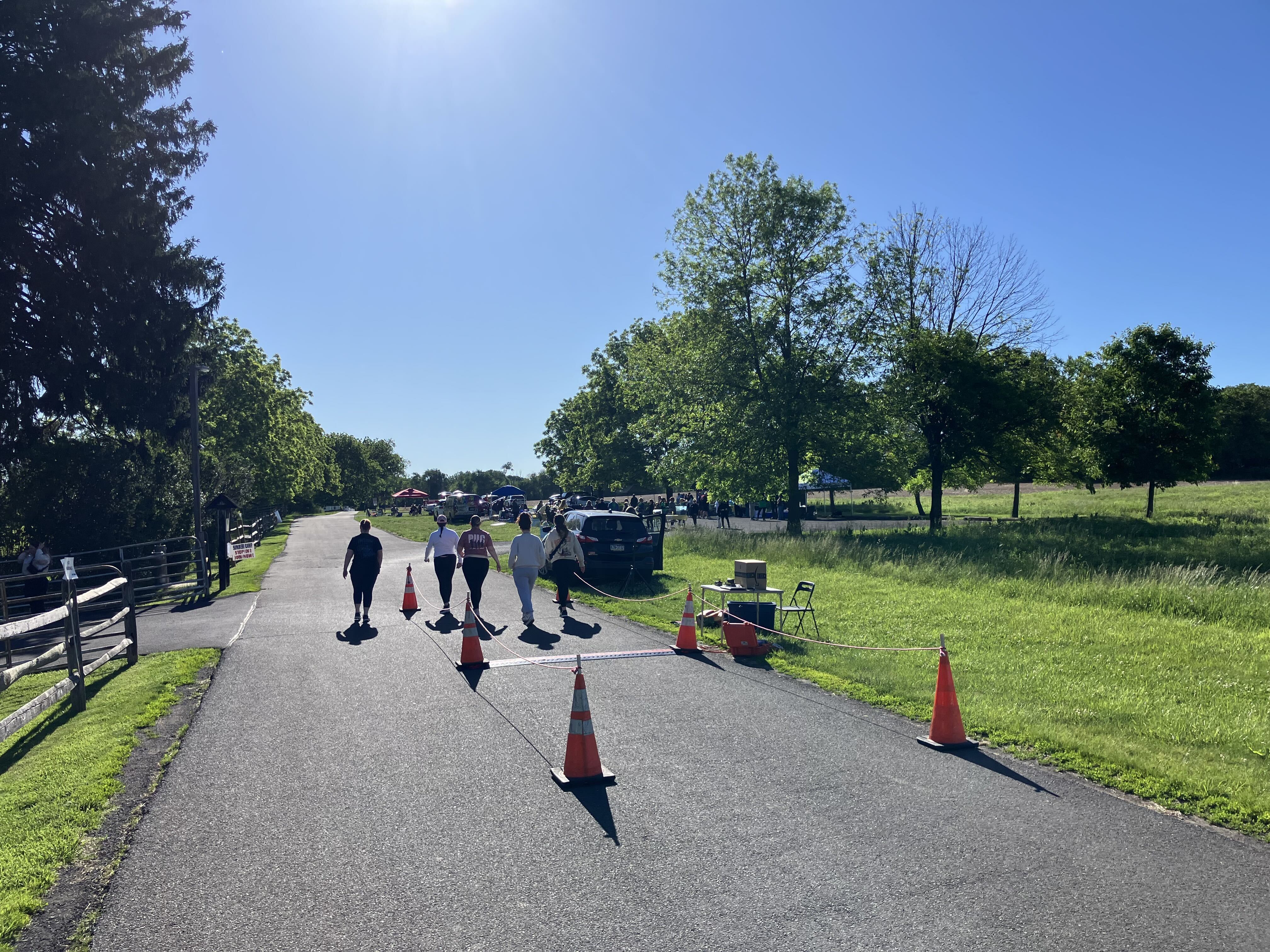
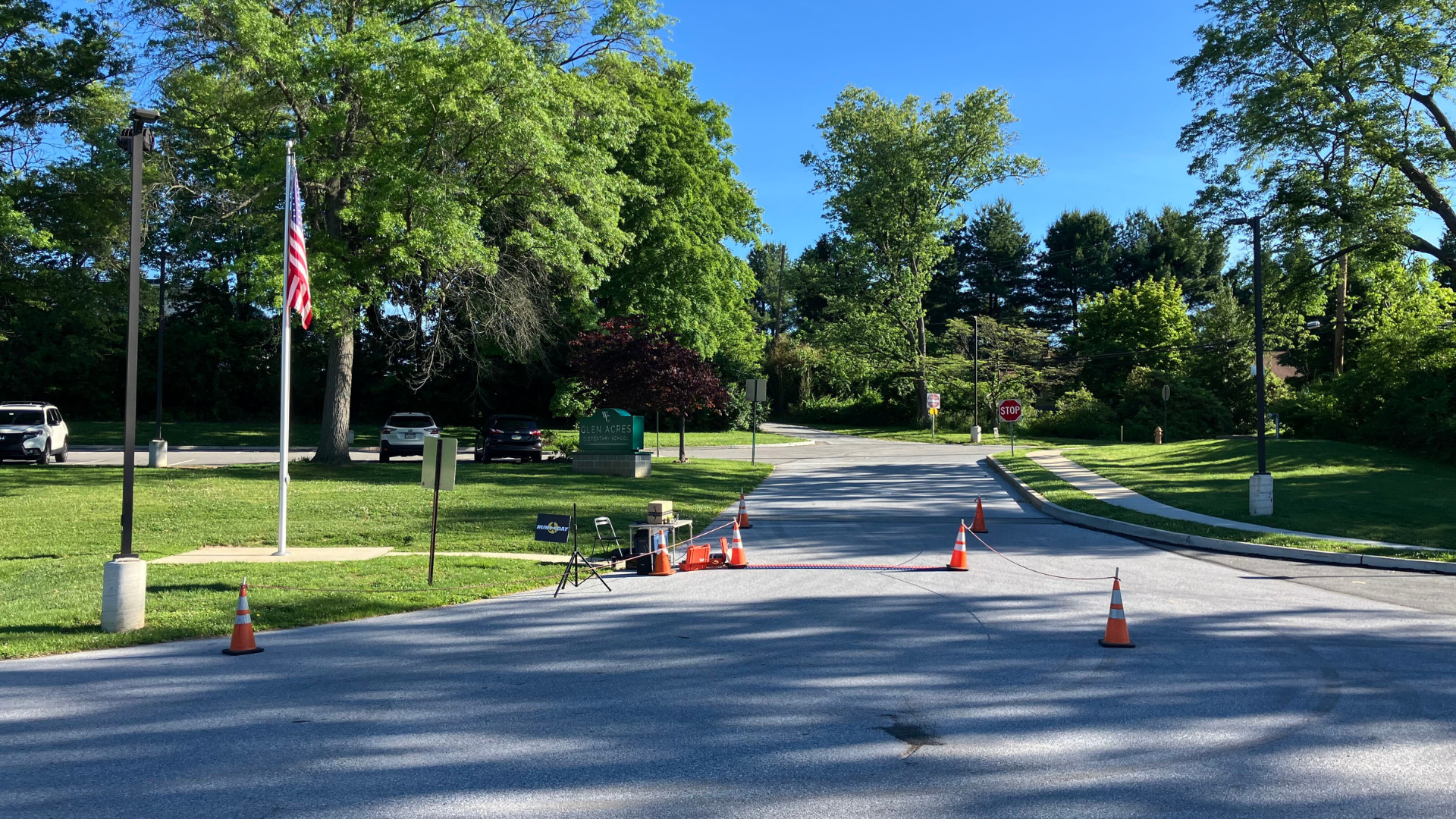
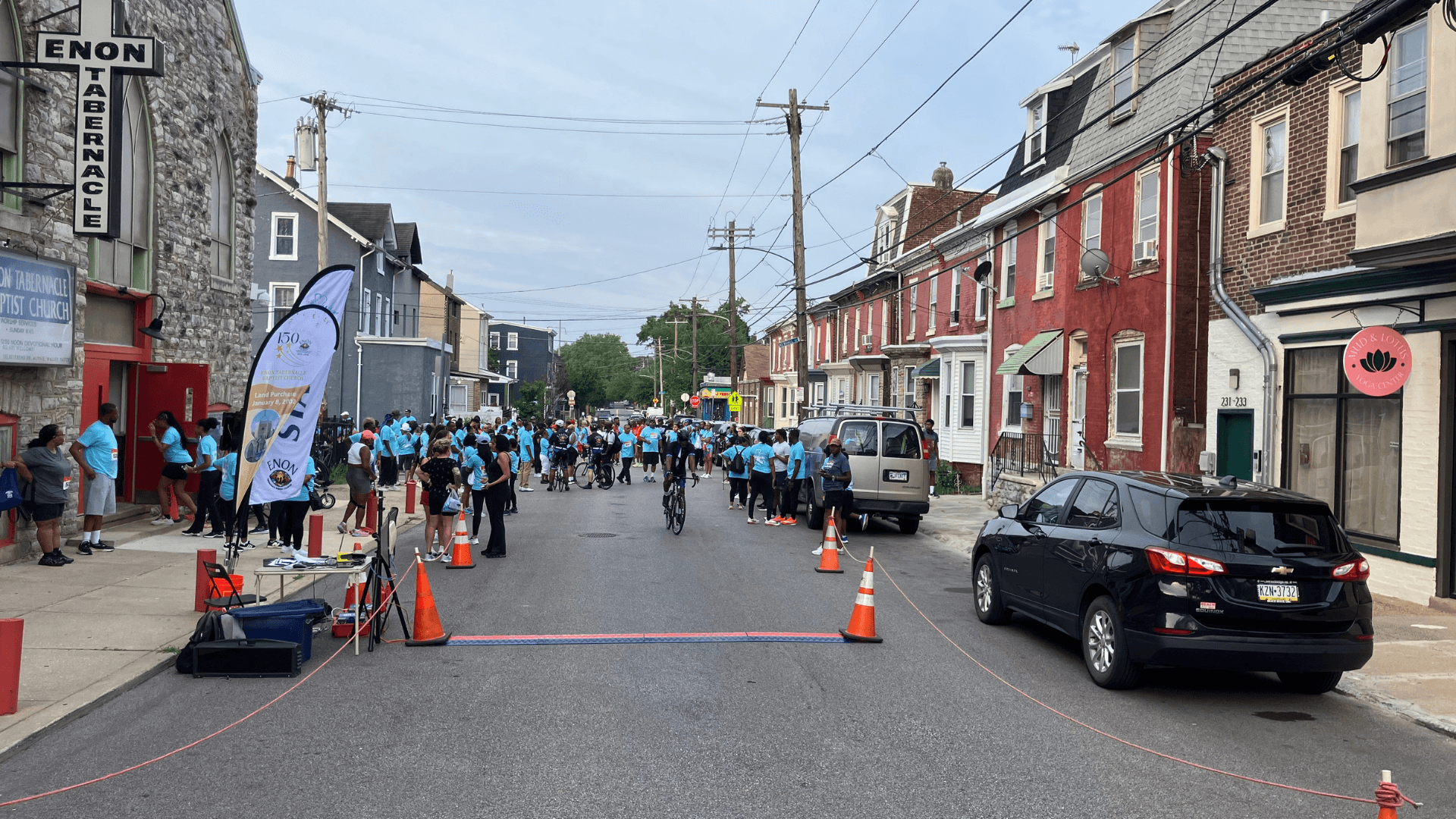
Timing mats are placed on the course where participant times need to be captured.
Common locations include:
- Start line
- Finish line
- Split points
Many runners assume the timing mat records their finish time, but its primary purpose is to protect the antennas positioned underneath while creating a designated area where RFID chips can be detected consistently.
As runners cross the mat, the RFID chip is detected and the timing system records the exact crossing time. Every successful chip read is then sent through the rest of the timing system for processing.
Timing mats are one of the most visible pieces of race timing equipment, but they are only one part of the overall timing system.
Antennas and Readers
Underneath or alongside timing mats are antennas and RFID readers.
Their job is to:
- Detect timing chips
- Capture participant data
- Transmit information to the timing system
As runners pass over the timing mats, the antennas detect the RFID chip attached to the participant's bib. The readers then collect that information and pass it along to the decoder for processing.
Without antennas, timing mats cannot record participant crossings.
Think of antennas as the communication link between chips worn by runners and the timing software that ultimately calculates race results.
Decoders: The Brain Behind Race Timing
A decoder converts RFID signals into usable timing data.
It receives information from antennas and readers and translates it into:
- Participant IDs
- Time stamps
- Course crossing data
The decoder then sends that information to race timing software, where the participant's official results are calculated.
Although most race directors never interact with decoders during an event, they are one of the most important pieces of race timing equipment.
Modern decoders can process thousands of chip reads in real time, allowing races to produce accurate results even during busy finish-line moments.
Race Timing Software
Race timing software combines all collected timing data and generates results.
The software:
- Matches chips to participants
- Calculates finish times
- Produces rankings
- Creates age-group awards
- Publishes live results
Instead of manually comparing spreadsheets or handwritten finish lists, race timing software automatically processes participant data and calculates official results within seconds.
Many modern timing platforms also integrate with race registration systems, making it easier to synchronize participant information before race day and reducing the need for manual data entry.
For race directors, this means greater accuracy, faster results, and a better participant experience.
If you're evaluating different solutions, our guide to Race Timing Software explains what features to look for in a modern timing platform.
Finish Line Clocks
The finish line clock provides a visual display of race time.
While it's one of the most recognizable pieces of race-day equipment, it does not determine official race results.
Benefits of a finish line clock include:
- Improved participant experience
- Better race photos
- Instant feedback for runners
Seeing the race clock as they approach the finish line gives participants an immediate sense of accomplishment and creates memorable finish-line photos.
However, the clock itself is not the official timing source.
Official results come from the RFID timing system, which records the exact moment each participant crosses the timing mat. This is especially important for larger races where runners may cross the start line several minutes after the race begins.
Many runners assume the finish line clock determines their official finish time, but timing chips provide the official result.
Participant Check-In Equipment
Race timing starts before the race begins.
Many events use:
- Tablets
- Mobile check-in systems
- Bib assignment systems
- Registration software
A successful timing operation depends on accurate participant information before anyone reaches the start line.
During check-in, organizers verify participant details, assign bibs, and ensure each RFID chip is linked to the correct runner. If participant information is incorrect at check-in, it can lead to inaccurate results later.
Modern registration systems allow volunteers to check participants in quickly, make last-minute updates, and assign bibs without relying on paper lists or spreadsheets.
Clean registration data leads to cleaner race results.
If you're evaluating registration platforms, see our guide to the Best Race Registration Platforms.
How All the Equipment Works Together
Every piece of timing equipment has a specific job, but none of it works alone.
A typical race timing workflow looks like this:
- Participant registers
- Chipped bib is assigned to a runner
- Runner crosses the start and finish mats
- Antennas detect the chip
- Decoder processes the signal
- Timing software calculates results
- Results are published
Because every component works together, organizers can produce accurate results within minutes of participants finishing the race.
Understanding this workflow also helps race directors troubleshoot problems and better evaluate potential timing providers.
To learn more about how bibs and timing technology work together, read our guide to race bibs.
If you're comparing different timing approaches, our article on RFID vs smartphone race timing explains the differences between professional chip timing and app-based timing systems.
Can You Time a 5K Without Professional Equipment?
Small races sometimes use:
- Stopwatches
- Manual finish recording
- Smartphone timing apps
- Volunteer spotters
For very small events, these methods may be enough.
However, as participation grows, manual timing becomes increasingly difficult to manage.
Common challenges include:
- Human error
- Missed finishers
- Delayed results
- Difficult age-group scoring
Even experienced volunteers can struggle when several runners cross the finish line at the same time.
Professional races typically use RFID timing technology because it delivers greater accuracy, faster results, and a better participant experience.
Key takeaway: Manual timing may work for a small fun run, but most races that want accurate, reliable results eventually move to a professional timing system.
Common Timing Equipment Mistakes
Choosing the right equipment is only part of successful race timing.
Race directors should also avoid common mistakes that can affect race-day operations.
Waiting Too Long to Book Timing Services
Popular race weekends often fill months in advance.
Booking early gives organizers more options and allows enough time to coordinate registration, bib assignments, and race-day logistics.
Using Inexperienced Timing Providers
Timing mistakes can damage participant trust.
Choosing an experienced provider helps reduce the risk of missed chip reads, inaccurate results, and race-day confusion.
Ignoring Registration Data Quality
Bad registration data often creates timing issues.
Duplicate registrations, incorrect participant information, or last-minute manual edits can all affect race results if they're not managed properly.
Assuming All Timing Systems Are Equal
Not every timing company uses the same equipment or level of support.
Reliable technology, experienced staff, and proven race-day processes often make a significant difference in the overall participant experience.
To avoid other common planning mistakes, read our guide to Race Director Mistakes.
Do Small 5Ks Need Professional Timing Equipment?
Many organizers assume professional timing is only necessary for large races.
In reality, even smaller events benefit from:
- Accurate results
- Faster check-in
- Better participant experience
- Reduced volunteer workload
Professional timing also helps races appear more organized and credible.
Participants appreciate receiving accurate results quickly, regardless of whether the race has 100 runners or 5,000.
For many community races, investing in professional timing creates a better experience for runners while reducing stress for organizers.
Learn why many community events choose professional timing in Why Small Races Choose Run The Day.
What Race Directors Should Look For in a Timing Partner
Choosing a timing partner involves more than comparing prices.
When evaluating timing providers, look for:
- RFID timing equipment
- Reliable reputation
- Modern technology
- Fast results
- Registration integration to avoid spreadsheets
- Race-day support
- Proven experience
A good timing partner should also communicate clearly before race day, help resolve registration issues, and provide support throughout the event.
The best timing partners provide more than equipment—they provide operational expertise that helps races run smoothly from registration through final results.
How Run The Day Handles Race Timing
Accurate race timing requires more than just the right equipment.
It also requires a platform that brings registration, participant management, timing, and results together in one place.
Run The Day combines:
- RFID timing technology
- Registration software
- Results publishing
- Race-day support
- Participant management
Instead of managing multiple systems, race directors can oversee key race operations from a single platform.
Because registration and timing work together, participant information flows directly into the timing system, reducing manual data entry and minimizing the risk of errors.
After the race, results can be published quickly so participants can view their official times soon after they finish.
As an easy-to-use, one-stop-shop platform, Run The Day helps race directors simplify timing operations while delivering accurate results and a better participant experience.
FAQs About 5K Race Timing Equipment
Q1: What equipment is used to time a 5K?
Most professionally timed races use RFID timing chips, timing mats, antennas, decoders, timing software, participant check-in systems, and online results platforms to produce accurate race results.
Q2: What are race timing chips?
Race timing chips are RFID stickers attached to the back of race bibs. As participants cross timing checkpoints, the chips communicate with the timing system to record official times.
Q3: Are finish line clocks official?
No, The finish line clock simply displays the elapsed race time. Official results are determined by the RFID timing system, which records when each participant crosses the timing mat.
Q4: Can small races use RFID timing?
Yes, Professional RFID timing is commonly used for races of all sizes. Even smaller events benefit from faster results, improved accuracy, and a better participant experience.
Q5: How accurate is RFID race timing?
Professional RFID timing systems are highly accurate and designed to process thousands of participants efficiently.
When installed and managed correctly, they provide reliable results that race directors and participants can trust.
Conclusion
Modern 5K timing relies on several technologies working together.
From RFID chips and timing mats to software and results platforms, every piece of equipment plays an important role in delivering accurate race results.
Understanding how race timing works helps organizers make informed decisions when selecting timing services and planning their events.
The goal isn't simply collecting times.
It's creating a smooth, professional race experience that participants trust from registration through the finish line.
If you're planning a race, our guide on How to Time a Race provides additional tips for choosing the right timing solution and preparing for race day.
Planning a timed 5K?
Run The Day provides RFID timing, race registration, results publishing, and race-day support through an easy-to-use, one-stop-shop platform designed to help races run smoothly from start to finish.
Whether you're organizing your first community 5K or managing an established annual event, our team can help you deliver accurate results and a professional race-day experience.
👉 Schedule a demo and see how Run The Day can simplify your next race.