How Chip Timing Works for 5Ks (Setup, Equipment & Cost Guide)
Ian Campbell | December 5, 2025
Timing 5 runners with a stopwatch is easy. Timing 3,000 runners crossing the finish line at the same time? That’s where things break down.
That’s why most races rely on a 5K timing system powered by chip timing, it replaces guesswork with fast, accurate, and automated results.
In this guide, you’ll learn how chip timing works for a 5K, what equipment is used, how race-day setup looks, and how much it costs—so you can decide what’s right for your event.
What Is Chip Timing?
Chip timing is a race timing system that uses RFID timing chips attached to race bibs or shoes to automatically record when runners cross the start, split, and finish lines. It provides far greater accuracy than manual timing and is the standard method used for most 5K races, marathons, and charity runs.
Why is Chip Timing Important for a 5K?
Chip timing ensures every runner gets an accurate finish time, even in crowded races.
Here’s how it works at a high level:
- Each runner receives a bib with a timing chip (RFID chip)
- Race timing mats detect when runners cross key points
- Timing software matches chip reads with bib numbers
- Results are generated automatically, including placements and awards
Without a proper 5K timing system, races often face:
- Missed finishers
- Incorrect results
- Delayed awards
Chip timing eliminates these problems and gives your race a professional feel.
👉 If you're planning a full race setup, explore how to time a 5K race step-by-step.
Chip timing sounds complex, but the core idea is simple:
- Every runner gets a bib with an RFID chip attached to the back.
- Antennas or timing mats detect when the chip crosses the start, finish and split points.
- Chip reads flow into race timing software that matches each time stamp to a bib number.
- Race results get generated automatically and include age group awards.
Chip timing helps community races because it fixes three big problems with manual timing: missed runners, incorrect results and slow award winners. A modern 5K race timing system ensures accuracy and speed even when thousands of runners are finishing simultaneously.
Types of Timing Chips Used in 5K Races
Most 5Ks use one of these three chip formats:
1. Bib Chips (Most Common for 5Ks)
- Attached to race bibs
- Disposable
- Zero setup for runners
- Ideal for schools, charities, community 5Ks
2. Shoe / Tag Chips
- Older method
- Still reliable for cross-country and trail events
3. Reusable RFID Chips (Ankle or Shoe Tags)
- Standard for triathlons
- Durable, but more expensive
- Requires volunteers to collect chips after the race
Why Most 5Ks Use Race Bib Timing Chips
Most modern 5K races use disposable RFID timing chips built directly into the race bib. This eliminates the need for runners to attach chips to their shoes and removes the hassle of collecting reusable chips after the race.
Benefits include:
- Faster packet pickup
- No chip returns
- Lower volunteer workload
- More reliable race-day timing
- Accurate results for every participant
For community races and charity events, bib timing chips have become the industry standard because they're simple for both runners and race organizers.
The Chip Timing Workflow on Race Day
Race timing follows a predictable sequence:
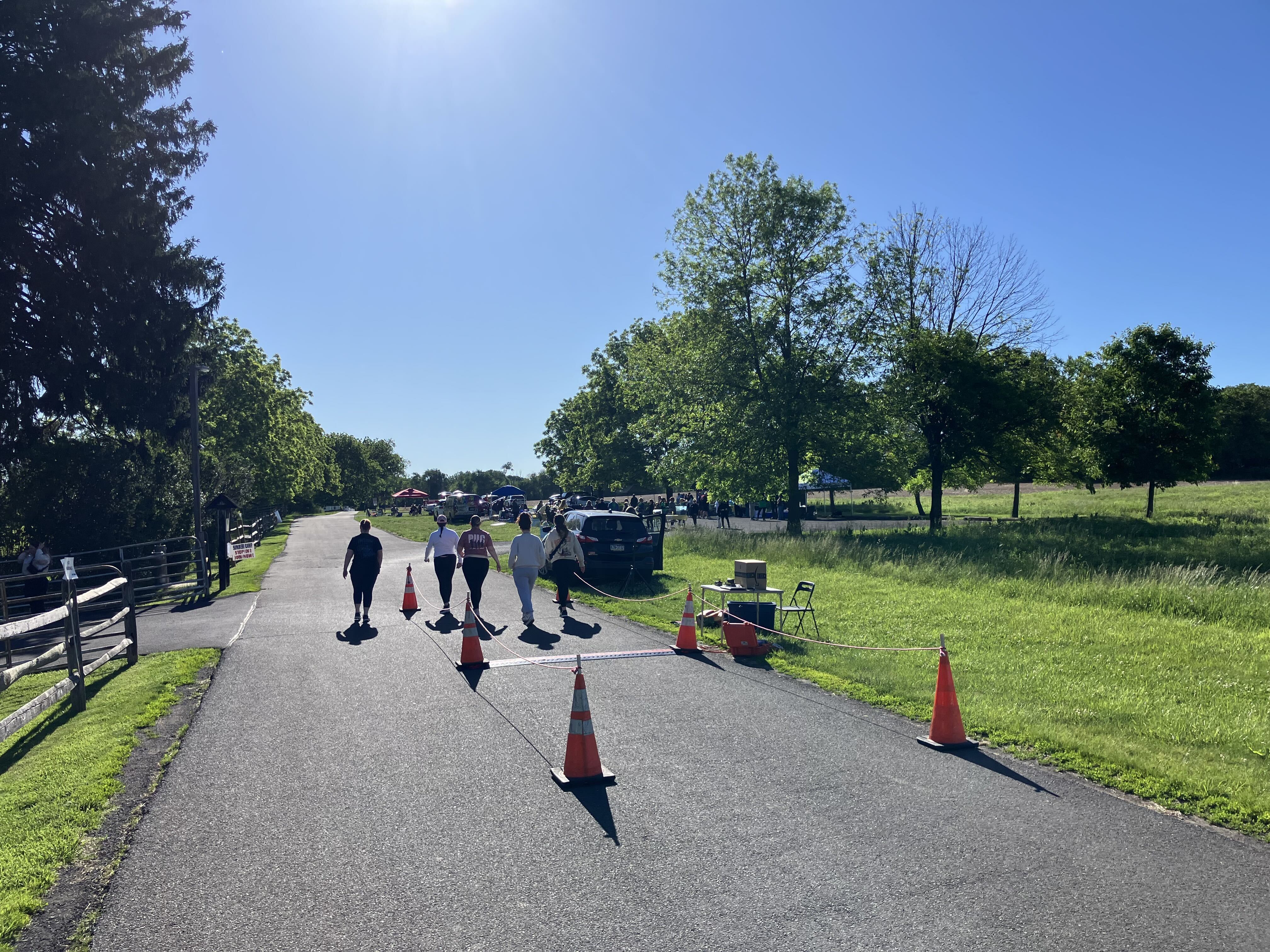
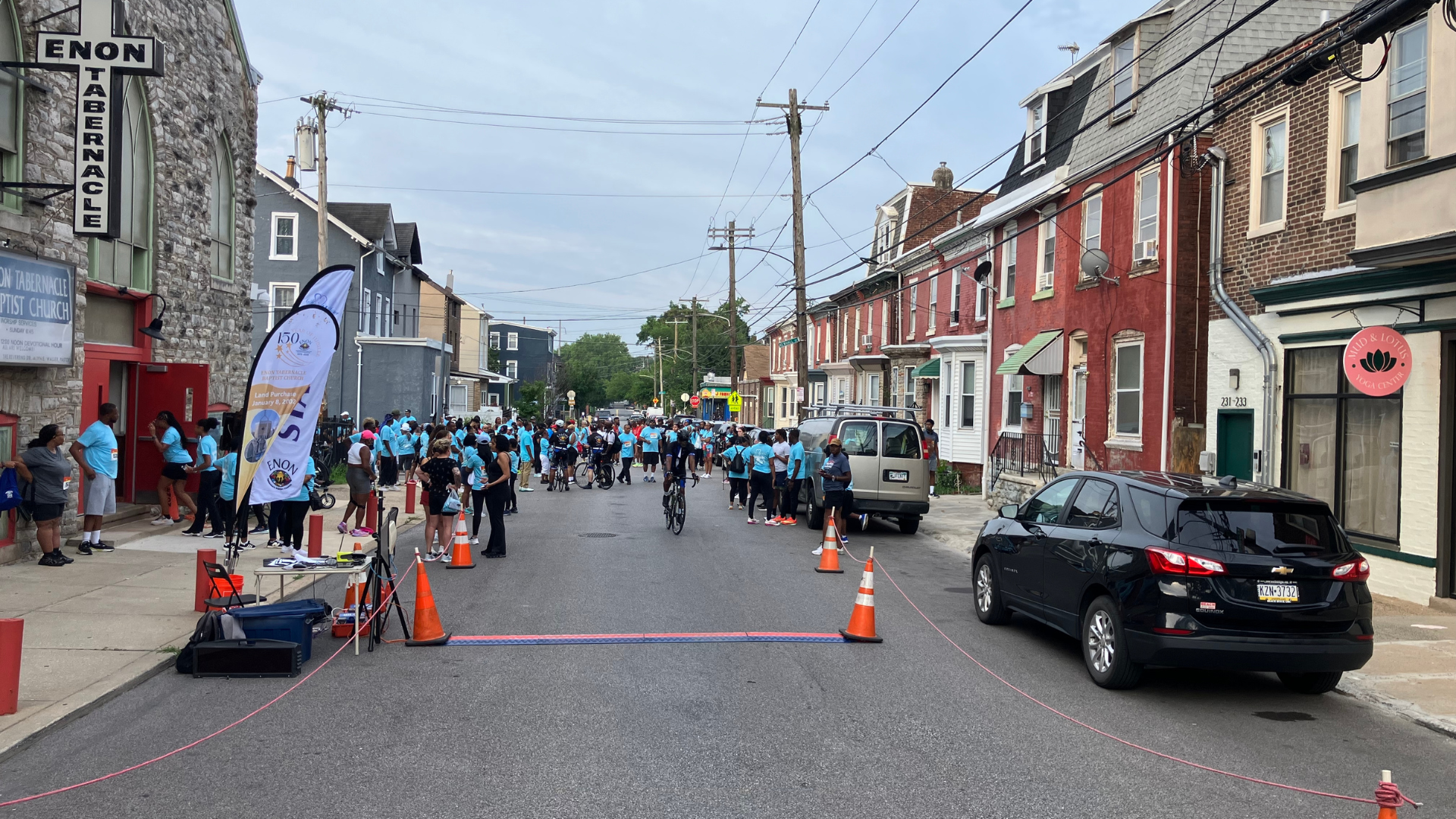
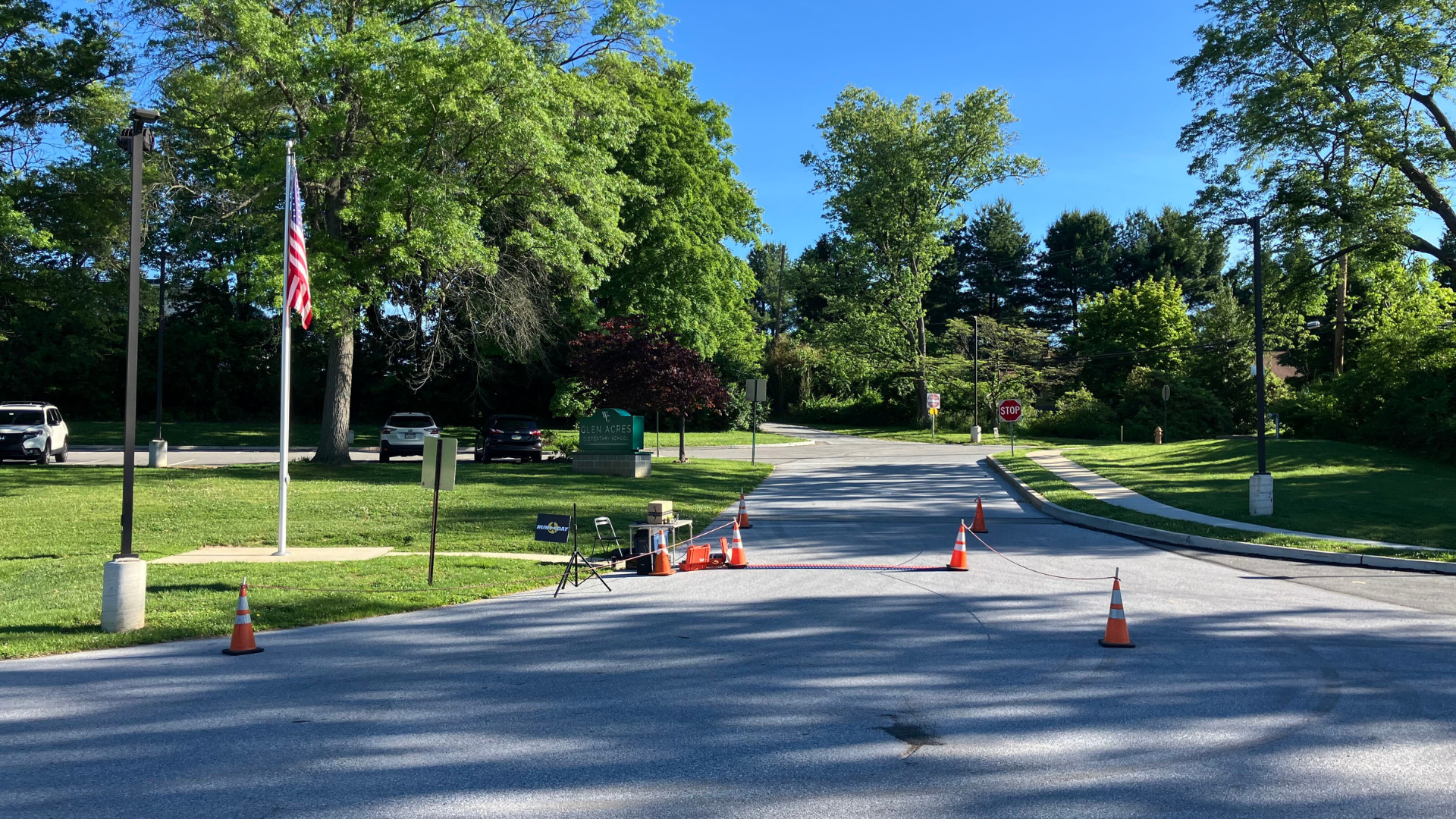
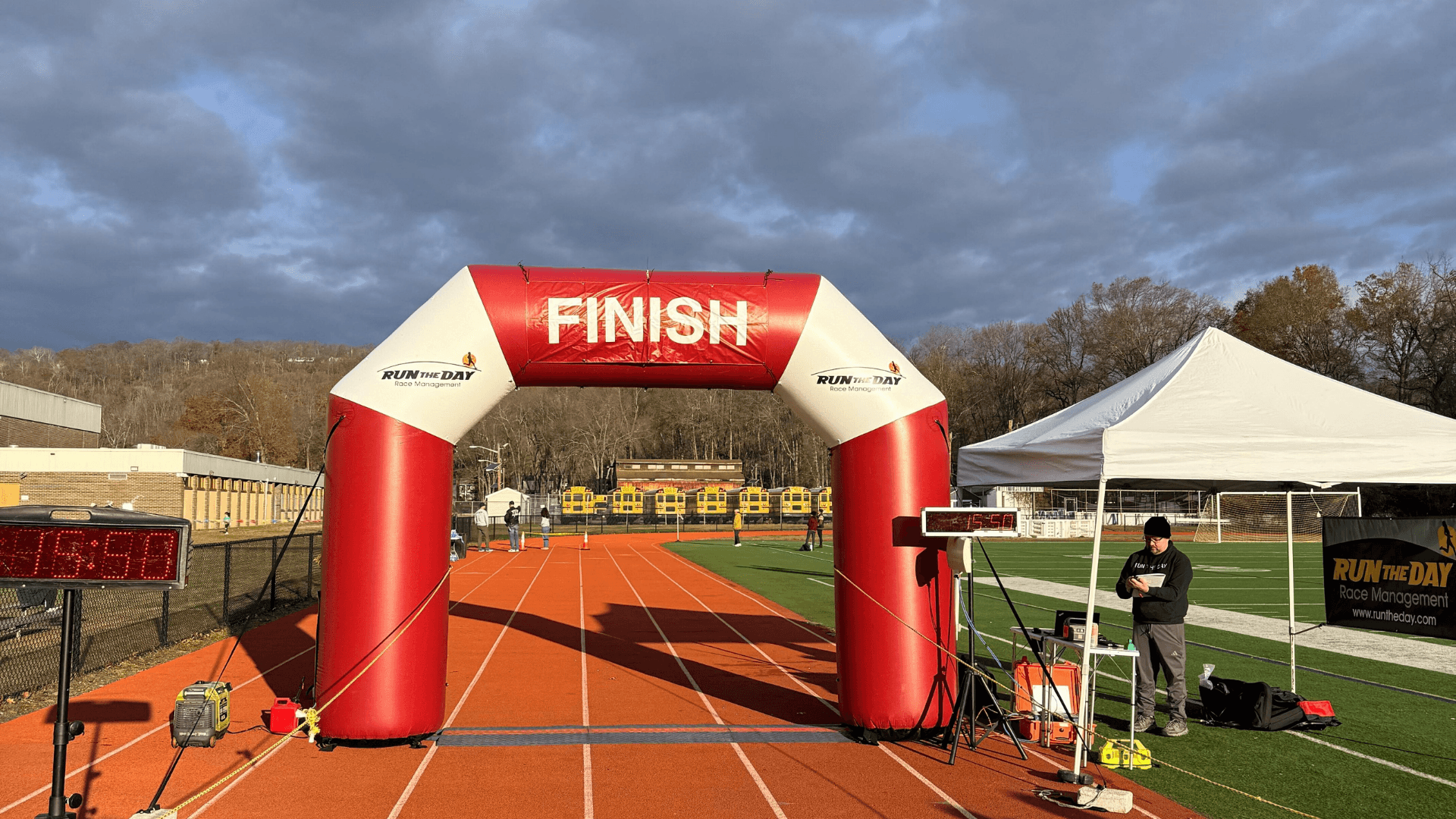
- Timing mats and antennas get placed at the start, finish, and—if needed—split points.
- Equipment is powered on, tested, and confirmed to generate accurate reads.
- Registration data and bib assignments are imported into timing software.
- A human timer or video backup is positioned at the finish for verification.
This combination of RFID equipment + 5k race timing software ensures that every read is matched to the correct runner.
Core Components of a Chip Timing System
Here’s what powers a modern chip timing setup:
- RFID timing chips – detect runners at timing points
- Race timing mats / antennas – capture signals from chips
- Controller box – processes real-time data
- Timing software – generates results and rankings
- Backup systems – manual timing or video verification
Most race directors don’t need to understand the nitty gritty — just to know enough to select a trustworthy professional chip timer.
Chip Timing vs Manual Timing: Which Should You Use?
| Factor | Manual Timing | Chip Timing |
|---|---|---|
| Race Size | Under 150 runners | 150+ runners |
| Accuracy | Moderate | Very high |
| Awards | Slower | Instant |
| Setup | Simple | Requires equipment |
| Experience | Basic | Professional |
When to use chip timing:
- Large crowds finishing at once
- Competitive runners expect accurate results
- You need fast awards and rankings
👉 Learn the difference between chip time vs gun time to understand timing accuracy.
Common Types of Timing Chips
| Timing Chip | Best For | Reusable | Attached To |
| Bib Timing Chip | Community 5Ks | No | Race bib |
| Shoe Tag Chip | Cross-country races | Yes | Shoe |
| Ankle Timing Chip | Triathlons | Yes | Ankle strap |
| Disposable RFID Chip | Large road races | No | Race bib |
How Much Does Chip Timing Cost for a 5K?
Costs vary based on race size and complexity:
- Under 200 runners: $800–$1,800
- 200–500 runners: $1,200–$2,500
- 500–5,000 runners: $2,500–$15,000+
What affects pricing?
- Number of participants
- Course complexity (loops, split points)
- Equipment and staff requirements
- Additional services (clocks, arches, promotion)
👉 See a full breakdown of how much it costs to time a 5K race.
Do You Need Chip Timing for Your Race?
Not every race needs chip timing.
You can skip it if:
- Fewer than 100–150 runners
- No competitive results required
- Simple course with spaced finishers
You should use it if:
- Large participant numbers
- Wave starts or crowded finishes
- Need for accurate results and awards
👉 For smaller events, explore cheap race timing system options.
Stop Guessing Your Race Setup
Choosing the right timing setup can feel overwhelming, especially if you're organizing your first race.
Download our free 5K Race Timing Planning Checklist to compare timing methods, equipment, staffing, budgets, and race-day setup so you can confidently plan a successful event.
Why Races Choose Run The Day for Chip Timing
Race directors who want timing that “just works” gravitate toward Run The Day because it eliminates most of the friction that comes with other timing setups.
- Chip timing + registration data sync automatically
- Results are online instantly
- Bib assignments get handled in a simple mobile check-in app
- No CSV files or spreadsheets are needed
- Run The Day’s software and systems were built for fundraisers, school runs, and community events
It’s built specifically for community races, school runs, and fundraisers—making it a reliable 5K timing system that just works.
FAQs About Chip Timing for 5Ks
Q1: How does chip timing work for a 5K race?
Each runner wears a bib with a timing chip. Race timing mats detect when they cross start and finish points, and software calculates results automatically.
Q2: What is a timing chip in running?
A timing chip is a small RFID device attached to a runner’s bib or shoe that records when they cross timing checkpoints.
Q3: Do small 5Ks need chip timing?
Small races under 150 runners can use manual timing, but chip timing improves accuracy and efficiency as races grow.
Q4: What equipment is required for chip timing?
RFID chips, race timing mats, antennas, controller boxes, and timing software are used to track and process results.
Q5: How accurate is chip timing?
Chip timing is highly accurate and records times to fractions of a second—even in large races.
Q6: What’s the difference between chip time and gun time?
Gun time starts when the race begins, while chip time starts when the runner crosses the start line.
Q7. Are timing chips built into race bibs?
Yes. Most modern 5K races use disposable RFID timing chips embedded directly into race bibs. This makes packet pickup easier, eliminates chip collection after the race, and provides accurate timing for every participant.
Conclusion: Chip Timing Makes Every Race More Accurate
Whether you're organizing a small charity 5K or a large community race, chip timing provides faster results, greater accuracy, and a better experience for runners. As participant numbers grow, an RFID chip timing system becomes one of the best investments you can make to improve race-day operations and participant confidence.